A 1,500-sqft cabin for the Oregon coast. Simple cedar-clad volume, corrosion-grade fasteners, and a long plan that puts every bedroom on the ocean side of the house.
Near the ocean, a house fails in specific and boring ways. Fasteners corrode. Unprotected wood grays, then cups, then splits. Windows leak where the wind drives rain sideways into the jamb. The architecture either addresses these things on day one, or it slowly surrenders to the coast.
Coastal Box is a plain volume on purpose. Every decorative move the plan makes somewhere else (a cantilever, a deep eave, a detail seam) is a place for salt to collect and destroy the building. We took the decoration out and put the money into assemblies that last.
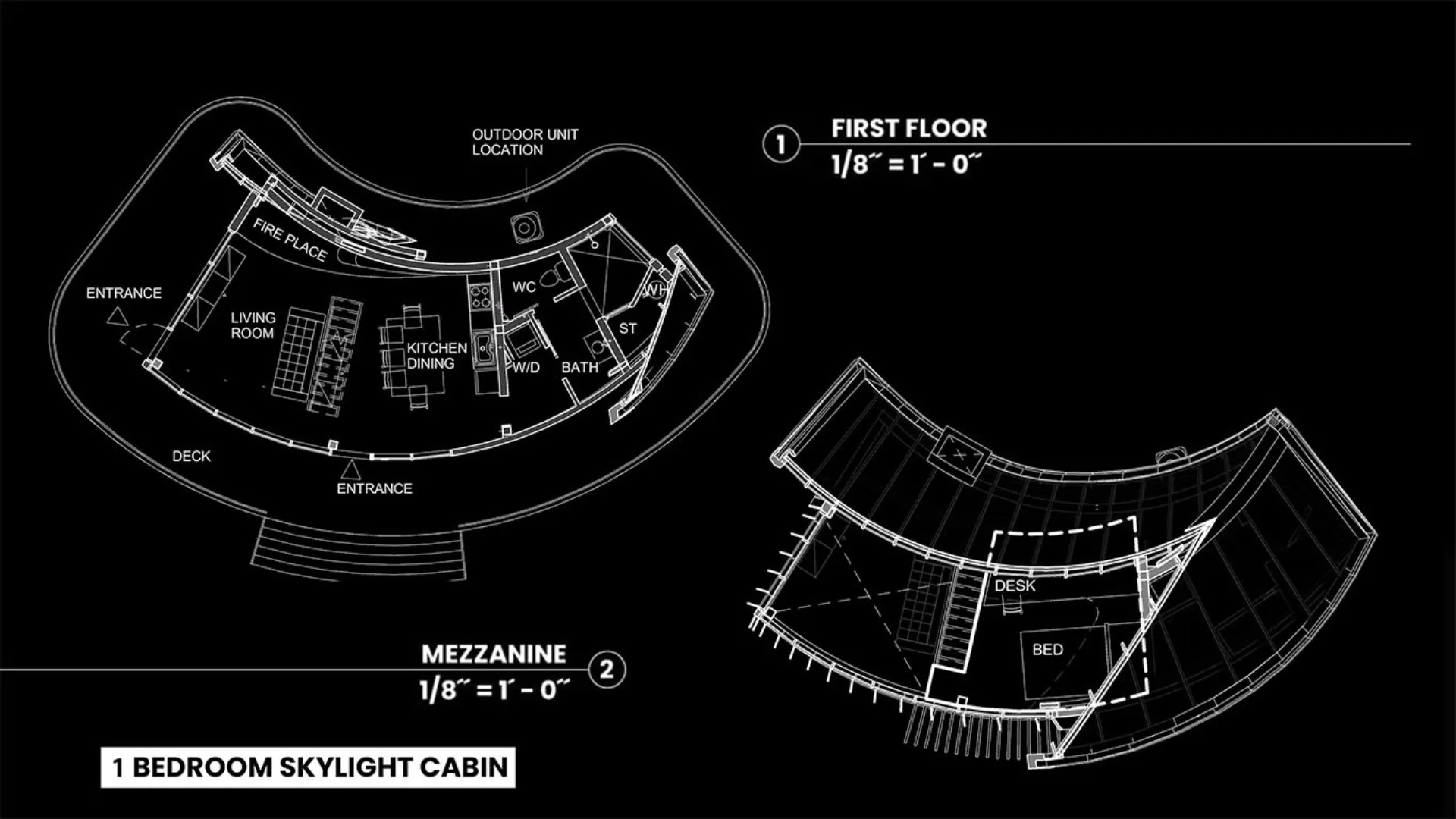
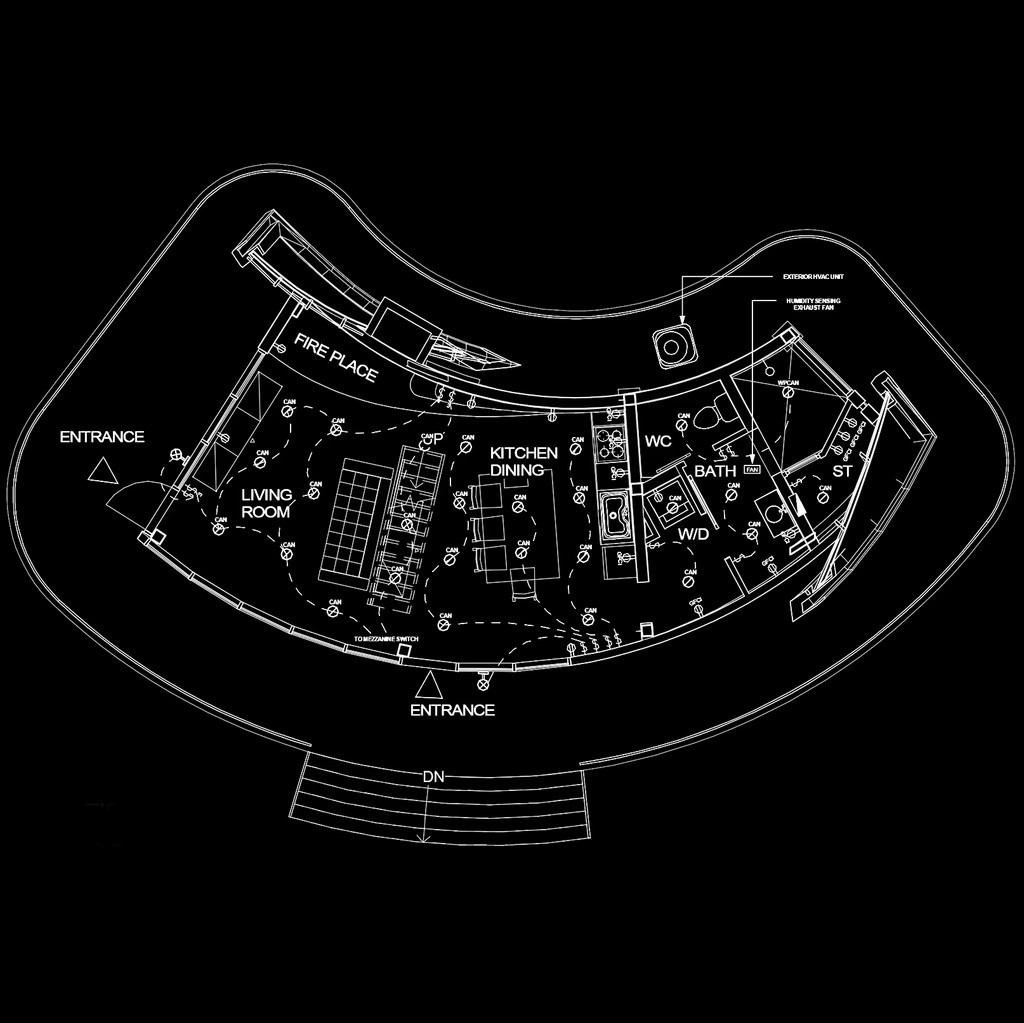
The plan is long and narrow. Three bedrooms, a bathroom, and the living volume all sit on the ocean side of a single spine wall. Entry, storage, and mechanical live on the back. The house is wider than you expect from the front and thinner than you expect from the side.
Exterior cladding is a single piece of stained cedar. Windows are coastal-rated with an extra interior jamb seal. Fasteners are 316 stainless everywhere salt can reach. The roof is standing-seam metal with concealed clips. Boring on paper; quiet for thirty years.